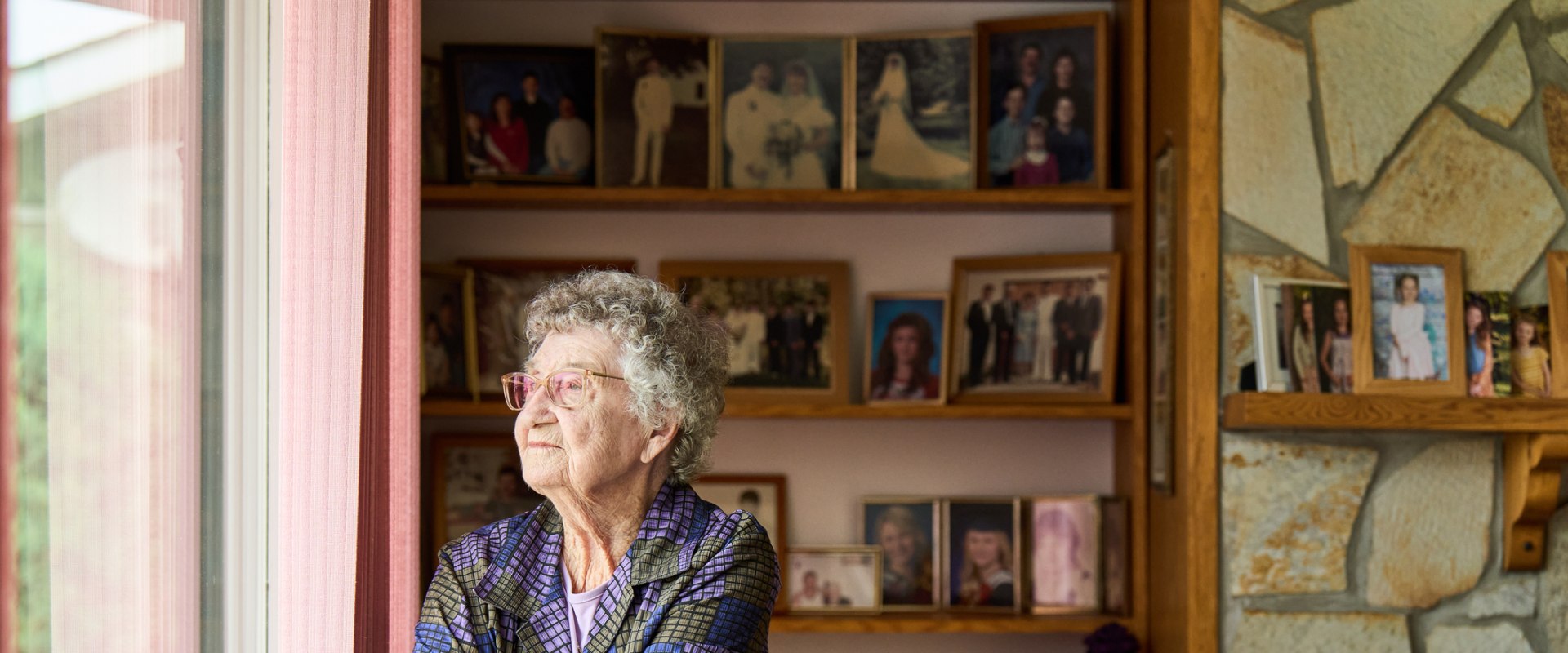
Loneliness is one of the most overlooked challenges in elder home care, yet it can quietly affect nearly every part of an older adult’s health. Many seniors live in familiar homes filled with memories, but those same walls can begin to feel isolating when mobility decreases, friends pass away, or family members become busy with work and their own responsibilities. Unlike pain or visible illness, loneliness doesn’t always show obvious signs, which is why it can grow unnoticed for months or even years. A senior may still appear “fine” on the outside while feeling disconnected, unmotivated, or emotionally drained on the inside. In home care settings, loneliness often develops when daily routines become repetitive and the social world shrinks. Fewer visitors, fewer outings, and fewer conversations can create a quiet emptiness that impacts mood, confidence, and even physical wellbeing.
Why Loneliness Can Be Dangerous for Seniors
Loneliness isn’t just a sad feeling—it can become a serious health risk. Studies have linked social isolation to increased stress, higher rates of depression, sleep problems, and worsening chronic conditions. When a person feels alone for long periods, their body may stay in a heightened state of stress, which can affect heart health, immune response, and overall resilience. For seniors, loneliness can also increase the risk of cognitive decline, especially when mental stimulation and meaningful social interaction are limited. In the home care environment, loneliness may lead to changes in appetite, reduced activity, and a lack of motivation to keep up with self-care routines. Even simple tasks like bathing, cooking, or taking medication can start to feel pointless when a senior no longer feels connected to the world around them. This is what makes loneliness such a quiet threat—it doesn’t arrive with alarms, but it can slowly weaken both the mind and body over time.
How Loneliness Shows Up in Daily Home Care
Loneliness often hides behind everyday habits. A senior may stop calling friends, lose interest in hobbies, or spend most of the day watching television with little engagement. They might talk less, sleep more, or seem irritated for reasons they can’t explain. In some cases, loneliness can appear as clinginess, where the senior becomes anxious when a caregiver leaves, even for a short time. Caregivers may notice the older adult repeating stories more often, asking the same questions, or requesting unnecessary help simply to create interaction. These behaviors aren’t always signs of cognitive decline—they can also be signals that the person is craving connection. Home care services typically focus on physical safety, but emotional health deserves equal attention because loneliness can directly affect a senior’s willingness to move, eat, socialize, and participate in life.
Small Changes That Reduce Isolation and Improve Safety
Reducing loneliness doesn’t always require major changes. Consistent routines with scheduled check-ins, friendly conversation during care tasks, and encouraging safe community involvement can make a big difference. Simple activities like short walks, listening to music together, reading aloud, or helping a senior video call family members can create a sense of connection. If mobility challenges are limiting outings, improving home accessibility can also support independence and confidence. For example, working with a local walk-in tub installer in Hardeeville SC may help reduce fear of falling and make bathing less stressful, which can improve dignity and reduce the sense of being trapped by physical limitations. When seniors feel safer moving around their home, they’re more likely to engage in daily routines and feel more in control of their lives.
Conclusion: Connection Is a Form of Care
Loneliness in elder home care is not just an emotional issue—it’s a health concern that deserves attention and action. The quietness of isolation can be deceptive, but the effects can be powerful, influencing physical health, mental clarity, and overall quality of life. Supporting seniors at home should include both practical care and meaningful human connection. When older adults feel seen, heard, and valued, they’re more likely to stay engaged, maintain healthier habits, and experience a greater sense of purpose. In many cases, the best care isn’t only about helping someone live safely—it’s also about helping them feel less alone.